




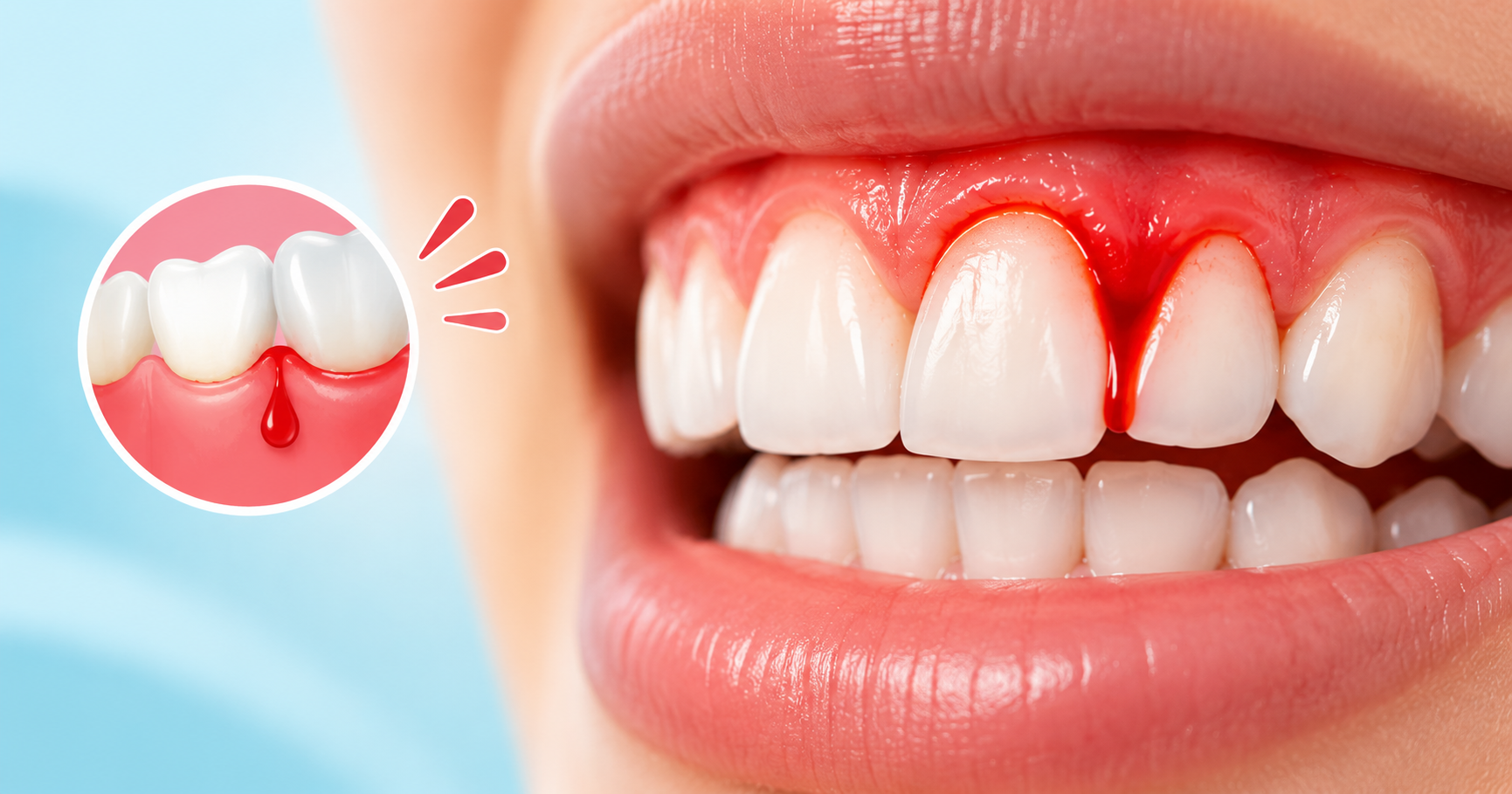
Have you noticed blood while brushing your teeth or flossing? Many people ignore bleeding gums because it may seem like a minor issue. However, healthy gums should not regularly bleed during routine oral care.
At Dental Square, we often see patients who are concerned about bleeding gums and want to understand why it is happening and what they can do to improve their gum health. In many cases, bleeding gums are an early sign that your mouth needs more attention. The most common cause is plaque buildup that irritates the gums and may lead to gum inflammation.
Understanding the cause of gum bleeding is the first step toward getting the right treatment and protecting your smile.
Why Are My Gums Bleeding When I Brush or Floss?
Bleeding gums can happen for several reasons, ranging from simple changes in your oral care routine to signs of gum disease.
Some common causes include:
1. Plaque and Tartar Buildup
Plaque is a sticky layer of bacteria that naturally forms on your teeth throughout the day. When plaque is not removed properly, it can harden into tartar, which can irritate the gum tissue and cause bleeding.
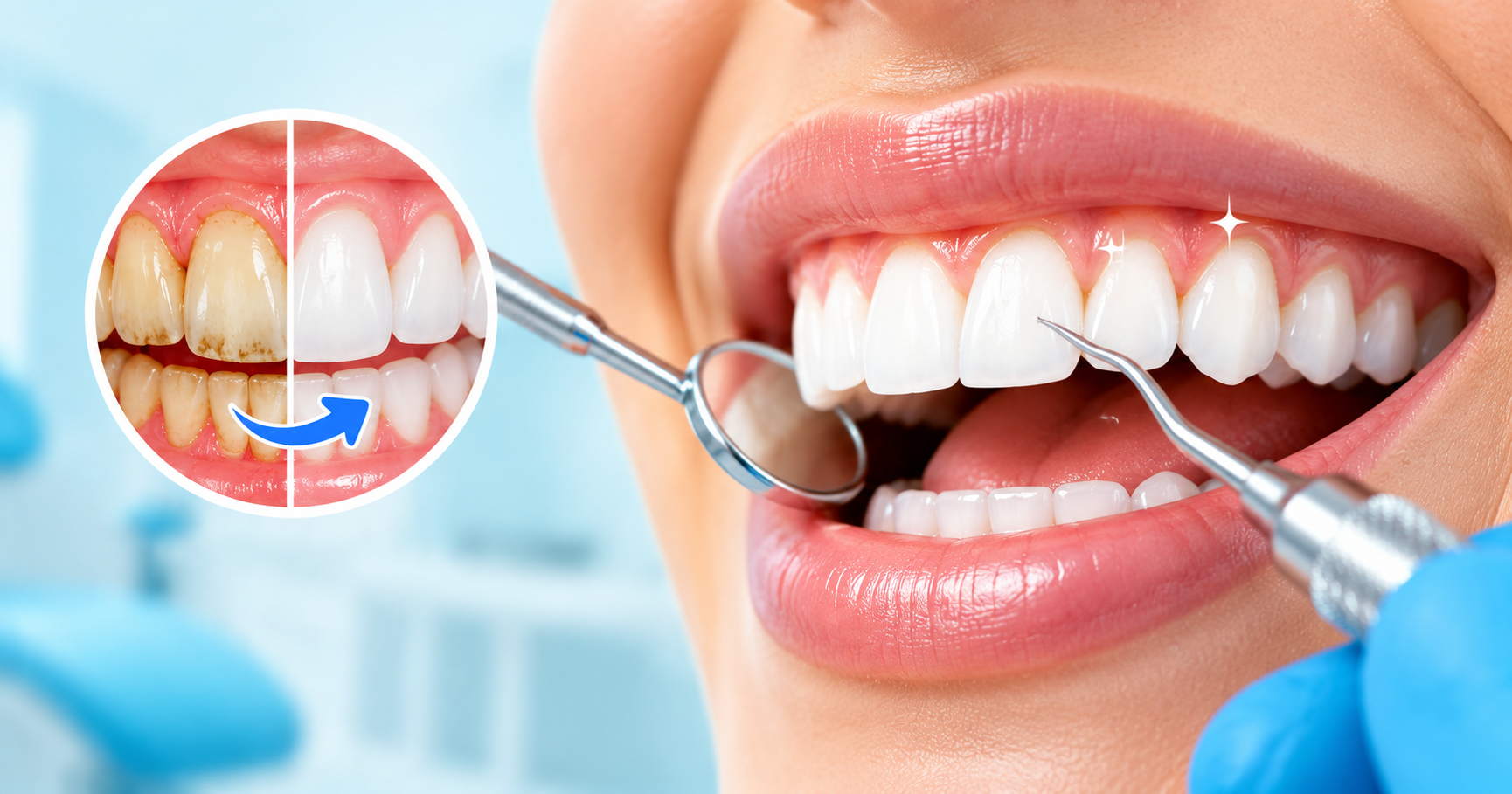
Professional dental cleanings help remove tartar buildup that cannot be eliminated with regular brushing and flossing at home.
2. Gingivitis (Early Gum Disease)
Gingivitis is one of the most common reasons patients experience bleeding gums. It occurs when plaque buildup causes the gums to become irritated, swollen, and more likely to bleed during brushing or flossing.
The good news is that early gum inflammation can often be improved with proper oral hygiene and professional dental care.
3. Brushing Too Hard
Using too much pressure while brushing can irritate your gums and cause bleeding. A toothbrush with hard bristles or aggressive brushing techniques may damage delicate gum tissue.
At Dental Square, we recommend using gentle brushing techniques with a soft-bristled toothbrush to clean effectively without harming your gums.
4. Inconsistent Flossing
If you recently started flossing or do not floss regularly, your gums may bleed initially. This can happen because your gums are not used to the cleaning process.
With consistent and proper flossing, gum health often improves. However, ongoing bleeding should be evaluated by a dental professional.
5. Health Conditions or Medications
In some cases, bleeding gums may be related to factors beyond oral hygiene, including certain medications, hormonal changes, or health conditions. If your gums continue to bleed despite good oral care, a dental evaluation can help determine the cause.
Are Bleeding Gums a Sign of Gum Disease?
Bleeding gums can be an early warning sign of gum disease. Gum disease begins when bacteria and plaque irritate the tissues around your teeth. Without proper care, it can progress and affect the structures that support your teeth.
Common signs of gum problems may include:
- Bleeding while brushing or flossing
- Red or swollen gums
- Gum tenderness
- Persistent bad breath
- Gum recession
- Loose teeth in advanced cases
If you notice these symptoms, scheduling a dental appointment can help prevent the condition from becoming more serious.
How Can Bleeding Gums Be Treated?
The right treatment depends on what is causing your gum bleeding. At Dental Square, we begin with a thorough evaluation to understand your oral health and recommend appropriate care.
Treatment options may include:
Professional Dental Cleaning
A professional dental cleaning removes plaque and tartar buildup from areas that are difficult to clean at home. This helps reduce gum irritation and supports healthier gums.
Improved Brushing and Flossing Techniques
Our dental team can guide you on proper brushing methods, flossing techniques, and daily habits to improve your gum health.
Gum Disease Treatment
If gum disease is present, additional treatments may be recommended to control infection, reduce inflammation, and protect your teeth.
Regular Dental Visits
Routine dental checkups allow us to monitor your gums and identify concerns before they become more advanced.
What Can You Do at Home to Improve Bleeding Gums?
Along with professional dental care, maintaining good daily habits can help support healthier gums.
Try these simple steps:
- Brush Twice Daily -Use a soft toothbrush and gentle circular motions to clean your teeth and gumline.
- Floss Every Day – Flossing helps remove plaque and food particles between teeth where brushing cannot reach.
- Avoid Aggressive Brushing – More pressure does not mean cleaner teeth. Gentle brushing is safer and more effective.
- Maintain Regular Dental Visits – Professional cleanings and checkups help keep plaque and tartar under control.
- Maintain a Healthy Lifestyle – A balanced diet, proper hydration, and avoiding tobacco products can support better oral health.
When Should You See a Dentist for Bleeding Gums?
Occasional bleeding after starting a new flossing routine may not always be a serious concern. However, you should schedule a dental appointment if:
- Your gums bleed frequently
- Bleeding continues for several weeks
- Your gums are swollen or painful
- You notice persistent bad breath
- Your teeth feel loose
- You have visible tartar buildup
Early attention can help protect your gums and prevent more complex dental problems.
How Dental Square Helps Patients With Bleeding Gums in Brampton
At Dental Square, we focus on identifying the cause behind your gum concerns and providing personalized dental care.
Our dentists in Brampton provide:
- Comprehensive dental examinations
- Professional teeth cleaning
- Gum health assessments
- Preventive dental recommendations
- Personalized oral hygiene guidance
We believe healthy gums are the foundation of a healthy smile. By addressing bleeding gums early, we can help patients maintain better oral health for the future.
Frequently Asked Questions About Bleeding Gums
1. Why do my gums bleed when I brush my teeth?
Bleeding gums are often caused by plaque buildup, gum inflammation, or brushing too aggressively. A dental examination can help determine the exact cause.
2. Is it normal for gums to bleed during flossing?
Occasional bleeding may happen when starting a new flossing routine. However, regular bleeding should not be ignored and should be checked by a dentist.
3. Can professional teeth cleaning stop bleeding gums?
Professional cleaning can help reduce plaque and tartar buildup, which is a common cause of gum irritation and bleeding.
4. How long does it take for bleeding gums to improve?
The improvement time depends on the cause. Better oral hygiene and professional dental care can help improve gum health, especially when concerns are addressed early.
5. Can bleeding gums lead to tooth loss?
Untreated gum disease can affect the tissues supporting your teeth and may contribute to tooth loss in advanced cases.
6. Should I stop brushing if my gums bleed?
No. Stopping brushing can allow more plaque to build up. Instead, use gentle brushing techniques and consult your dentist if bleeding continues.
7. Can children have bleeding gums?
Yes. Children can experience gum bleeding due to plaque buildup, brushing habits, or improper oral care. A dental visit can help identify the cause.
8. What type of toothbrush is best for bleeding gums?
A soft-bristled toothbrush is generally recommended because it cleans effectively while being gentle on gum tissue.
9. Does Dental Square provide gum treatment in Brampton?
Yes. Dental Square provides preventive dental care, professional cleanings, and evaluations to help patients maintain healthier gums.
10. How can I book a dental appointment for bleeding gums in Brampton?
You can contact Dental Square or schedule an appointment online. Our team will help you receive the right care for your gum health concerns.






 Preventive care (cleanings, exams, X-rays)