




A toothache can sometimes be caused by something as simple as temporary sensitivity, but persistent or severe dental pain may indicate a deeper problem. When the soft tissue inside a tooth becomes inflamed or infected, a root canal treatment may be recommended to remove the damaged tissue, clean the inside of the tooth, and preserve the natural tooth.
Many people associate root canal treatment with severe pain, but not every tooth that needs a root canal causes obvious symptoms. Some problems are detected during a routine dental examination or through dental X-rays before significant discomfort develops.
If you are considering root canal treatment in Bovaird West, understanding the warning signs can help you know when it may be time to see a dentist.
What Is a Root Canal Treatment?
A root canal is a dental procedure used to treat infection or inflammation inside a tooth. Each tooth contains a soft inner area called the pulp, which contains nerves and blood vessels. Deep decay, cracks, repeated dental procedures, or trauma can damage the pulp.
When the pulp becomes infected or severely inflamed, the dentist may recommend root canal treatment. During the procedure, the damaged pulp is removed, the inside of the tooth is cleaned and disinfected, and the space is sealed.
A dental crown may later be recommended to help restore and protect a tooth that has experienced significant damage.
The goal of root canal treatment is to address the problem while preserving the natural tooth whenever possible.
1. Persistent Tooth Pain
Ongoing tooth pain is one of the most common signs that a tooth may need further evaluation.
You may notice pain that is constant or comes and goes throughout the day. The discomfort may become more noticeable when chewing, biting, or putting pressure on the tooth.
Tooth pain can have many causes, so it does not automatically mean you need a root canal. However, persistent pain should be evaluated by a dentist to determine what is causing it.
If pain suddenly becomes severe or continues despite basic pain-relief measures, contact a dental professional promptly.
2. Prolonged Sensitivity to Hot or Cold
Sensitivity to hot or cold foods and drinks can occur for several reasons, including enamel wear, gum recession, cavities, or exposed tooth roots.
However, if the sensitivity is intense or continues for an extended period after the hot or cold substance has been removed, it may indicate inflammation or damage to the pulp.
For example, you might experience sharp pain after drinking something cold that continues even after you stop drinking. This type of lingering sensitivity is worth discussing with your dentist.
A dental examination can help determine whether the problem is related to the pulp or another dental condition.
3. Pain When Biting or Chewing
Pain when biting down can be another warning sign of a dental problem.
You may notice discomfort when chewing food or applying pressure to a particular tooth. This can occur with deep decay, a cracked tooth, inflammation around the tooth, or other conditions.
If biting pain is persistent or becoming worse, a dentist can examine the tooth and determine whether root canal treatment or another type of treatment is appropriate.
Avoiding the affected side while waiting for your appointment may help prevent additional discomfort.
4. Swollen or Tender Gums
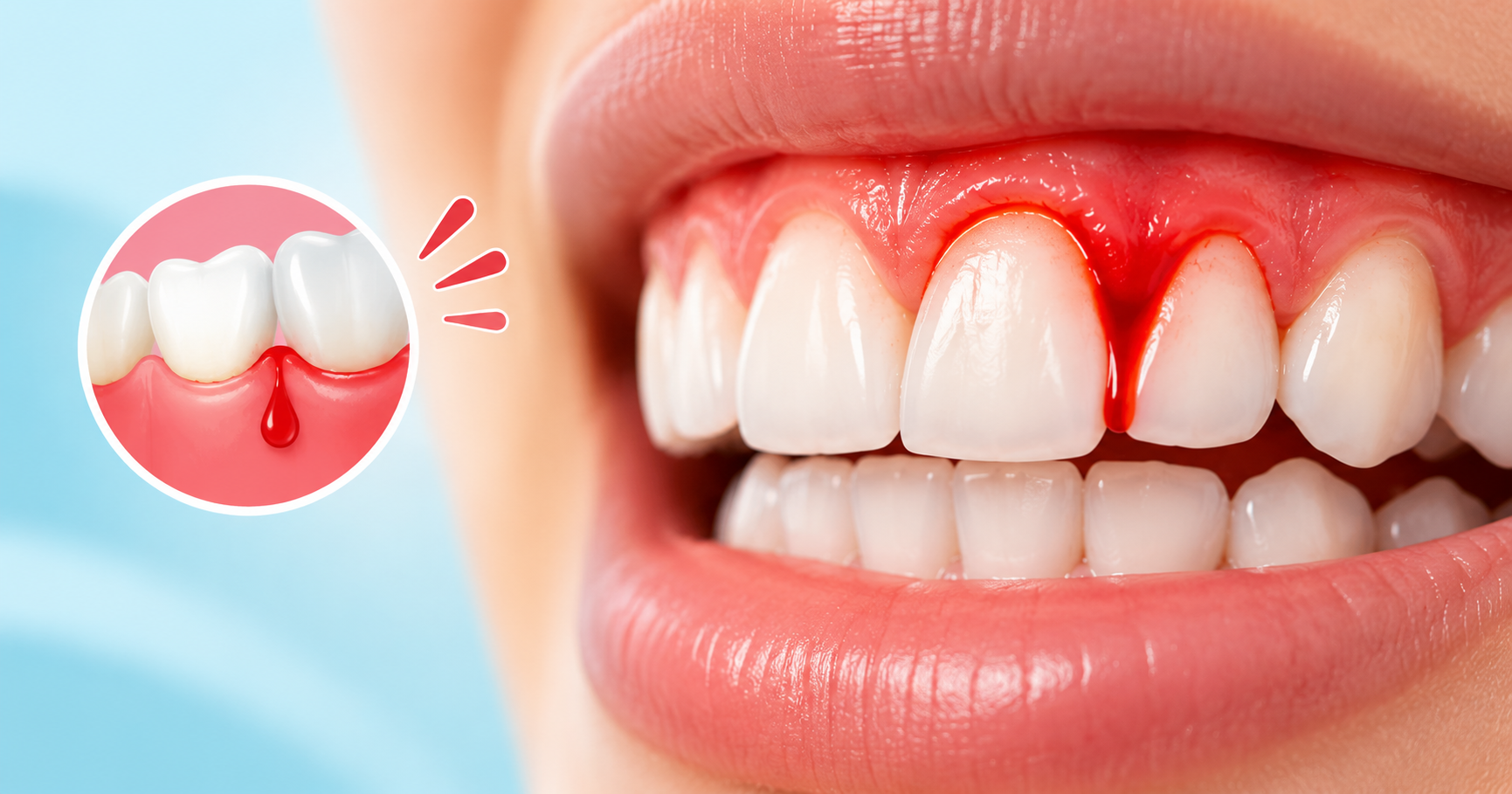
Inflammation around a particular tooth can sometimes indicate an infection. You may notice swelling, redness, tenderness, or a small bump on the gum near the affected tooth.
A dental infection does not always cause severe tooth pain. In some cases, the infection may develop gradually and produce relatively mild symptoms.
Swelling around a tooth should be assessed by a dentist, particularly if it is accompanied by pain, a bad taste, or drainage.
5. A Persistent Bad Taste in Your Mouth
An unpleasant taste that does not go away may sometimes be associated with drainage from an infected tooth.
You may notice a bad taste even after brushing, flossing, or rinsing your mouth. This can occur when an infection produces fluid that enters the mouth.
A persistent bad taste does not necessarily mean you need a root canal, but it is a reason to schedule a dental examination. Your dentist can determine whether the problem is related to an infected tooth, gum disease, or another oral health concern.
6. A Darkened or Discoloured Tooth
A tooth that becomes noticeably darker than the surrounding teeth may sometimes indicate damage to the pulp.
Discoloration can happen after trauma, even if the injury occurred months or years earlier. Internal changes within the tooth can cause it to appear grey, brown, or darker than nearby teeth.
Not every discoloured tooth requires root canal treatment. A dentist will need to examine the tooth and may use X-rays or other diagnostic tests to determine its condition.
If you notice an unexplained change in the colour of one tooth, schedule an assessment.
7. A Cracked or Damaged Tooth
A crack can allow bacteria to enter deeper parts of a tooth. If the crack reaches the pulp, inflammation or infection may develop.
You may experience pain when chewing, sensitivity to hot or cold foods, or intermittent discomfort. In some cases, a crack may be difficult to see without a dental examination.
If you have damaged a tooth or experience sudden pain after biting something hard, contact your dentist. Prompt assessment can help determine whether the tooth can be repaired and whether root canal treatment is necessary.
8. A Previous Dental Injury
A tooth can experience pulp damage after an accident, sports injury, fall, or other impact.
Sometimes symptoms appear immediately, while in other cases changes develop gradually. A tooth that has experienced significant trauma may become discoloured, sensitive, loose, or painful.
If you have injured your mouth, it is a good idea to have the affected teeth examined even if you feel fine. Some dental injuries are not immediately obvious.
Can You Need a Root Canal Without Pain?
Yes. A tooth can sometimes have significant pulp damage or infection without causing noticeable pain.
This is one reason regular dental examinations are important. Your dentist may identify changes during an examination or on an X-ray before the problem causes severe symptoms.
If an infection is present, delaying treatment can allow it to spread to surrounding tissues. Early diagnosis may provide more treatment options and help protect the affected tooth.
What Causes a Tooth to Need a Root Canal?
Several dental problems can damage the pulp inside a tooth. Common causes include:
- Deep tooth decay
- Cracked or fractured teeth
- Significant dental trauma
- Repeated procedures on the same tooth
- Large or failing restorations
- Severe wear or damage to the tooth
Good oral hygiene and regular dental care can reduce the risk of some of these problems, although not every dental injury or infection can be prevented.
What Happens During Root Canal Treatment?
If your dentist determines that root canal treatment is necessary, they will first examine the tooth and may take dental X-rays to understand the extent of the problem.
During treatment, the dentist accesses the inside of the tooth and removes the damaged or infected pulp. The root canals are carefully cleaned and disinfected before being filled and sealed.
The tooth is then restored to help return its function and protect it from further damage. Depending on how much tooth structure remains, a dental crown may be recommended.
Modern dental techniques and local anesthesia allow root canal treatment to be performed with the goal of keeping patients comfortable throughout the procedure.
What Happens If You Delay Root Canal Treatment?
If a tooth has an infected or severely damaged pulp, the problem may not resolve on its own. An untreated infection can potentially spread beyond the tooth and cause swelling, an abscess, or other complications.
Delaying treatment may also result in increasing pain or additional damage to the tooth.
If you have persistent symptoms, an unexplained change in a tooth, or have been told that you may need root canal treatment, speak with your dentist about your options.
When Should You See a Dentist?
You should arrange a dental assessment if you experience persistent tooth pain, prolonged sensitivity, pain when biting, swelling around a tooth, unexplained discoloration, a cracked tooth, or other changes that concern you.
Severe swelling, fever, difficulty swallowing, or difficulty breathing can indicate a serious infection and require urgent medical attention.
A dentist can determine whether your symptoms are caused by an infected pulp or another dental problem and recommend appropriate treatment.
Root Canal Treatment in Bovaird West
Root canal treatment can help treat an infected or severely damaged tooth while allowing you to keep your natural tooth. The earlier a dental problem is assessed, the sooner you can understand your treatment options.
If you are experiencing persistent tooth pain, sensitivity, swelling, or any other signs that may indicate pulp damage, schedule an appointment with a dentist in Bovaird West for an evaluation.
Looking for root canal treatment in Bovaird West? Contact our dental team today to schedule an assessment and take the next step toward protecting your natural smile.






 Preventive care (cleanings, exams, X-rays)