




Baby teeth are temporary, but that does not mean they are unimportant. Many parents wonder why they should worry about cavities, toothaches, or dental care when their child’s baby teeth will eventually fall out and be replaced by permanent teeth.
The truth is that baby teeth play several important roles in a child’s oral health and development. They help children chew food, speak clearly, maintain space for permanent teeth, and support healthy jaw development. Taking care of these teeth can also help children develop positive dental habits that continue into adulthood.
Regular visits to a dentist can help identify problems early and keep your child’s smile healthy as their permanent teeth develop.
What Are Baby Teeth?
Baby teeth, also called primary or deciduous teeth, are the first set of teeth that develop in children. Most children have 20 baby teeth, which typically begin appearing around six months of age. The exact timing can vary from child to child.
These teeth gradually loosen and fall out as permanent teeth develop underneath them. Most children begin losing baby teeth around age six, with the process continuing through the early teenage years.
Even though baby teeth are temporary, they can remain in the mouth for several years. During this time, they have important responsibilities that support a child’s overall oral development.
Why Are Baby Teeth So Important?
1. Baby Teeth Help Children Eat and Chew
One of the most obvious functions of teeth is helping us chew food. Children need healthy teeth to bite and break down food properly.
Baby teeth allow children to eat a variety of foods as they grow. Pain caused by cavities or damaged teeth can make chewing uncomfortable, which may cause a child to avoid certain foods.
Keeping baby teeth healthy allows children to comfortably develop normal eating and chewing habits.
2. They Help Children Develop Clear Speech
Teeth also play an important role in speech development. Children use their tongue, lips, and teeth together to produce many sounds.
Missing, damaged, or painful teeth can sometimes affect how a child positions their tongue or produces certain sounds. Healthy baby teeth provide the structure needed as children learn and develop their speech.
This is another reason why dental care should begin early rather than waiting until permanent teeth appear.
3. Baby Teeth Hold Space for Permanent Teeth
One of the most important reasons baby teeth matter is that they maintain space for permanent teeth.
Permanent teeth develop beneath the baby teeth. When a baby tooth remains healthy until it is naturally ready to fall out, it helps guide the permanent tooth into the appropriate position.
If a baby tooth is lost too early because of severe decay or infection, nearby teeth may shift into the space. This can reduce the room available for the permanent tooth and potentially contribute to crowding or alignment problems.
In some situations, a dentist may recommend a space maintainer to help preserve the area until the permanent tooth is ready to come in.
4. They Support Healthy Jaw Development
Chewing and biting provide stimulation that contributes to the development of the jaw and surrounding oral structures.
As children grow, their mouths change significantly. Healthy teeth help support normal oral function during these developmental stages.
Maintaining good oral health during childhood can therefore support more than just the appearance of a child’s smile.
5. Baby Teeth Can Affect Permanent Teeth
A common misconception is that problems with baby teeth do not matter because permanent teeth will eventually replace them.
However, untreated decay or infection in a baby tooth can sometimes affect the developing permanent tooth underneath it. In addition, losing a baby tooth prematurely can affect how neighbouring teeth move.
For children whose baby teeth have significant decay or damage, silver crowns for kids’ teeth may sometimes be recommended to protect the tooth and maintain its function until it is naturally ready to fall out.
Protecting primary teeth helps create a healthier environment for permanent teeth to develop and erupt.
What Happens If a Baby Tooth Gets a Cavity?
Cavities can develop in baby teeth just as they can in permanent teeth. Children are particularly vulnerable to tooth decay because maintaining consistent brushing and flossing habits can be challenging at a young age.
If a cavity is left untreated, it can become larger and eventually reach the inner part of the tooth. This can lead to pain, infection, swelling, and difficulty eating.
A child may not always tell a parent about dental discomfort. Some children may simply avoid chewing on one side of the mouth or become irritable during meals.
Regular dental checkups allow a dentist to identify cavities and other concerns before they become more serious.
Why Early Dental Visits Matter
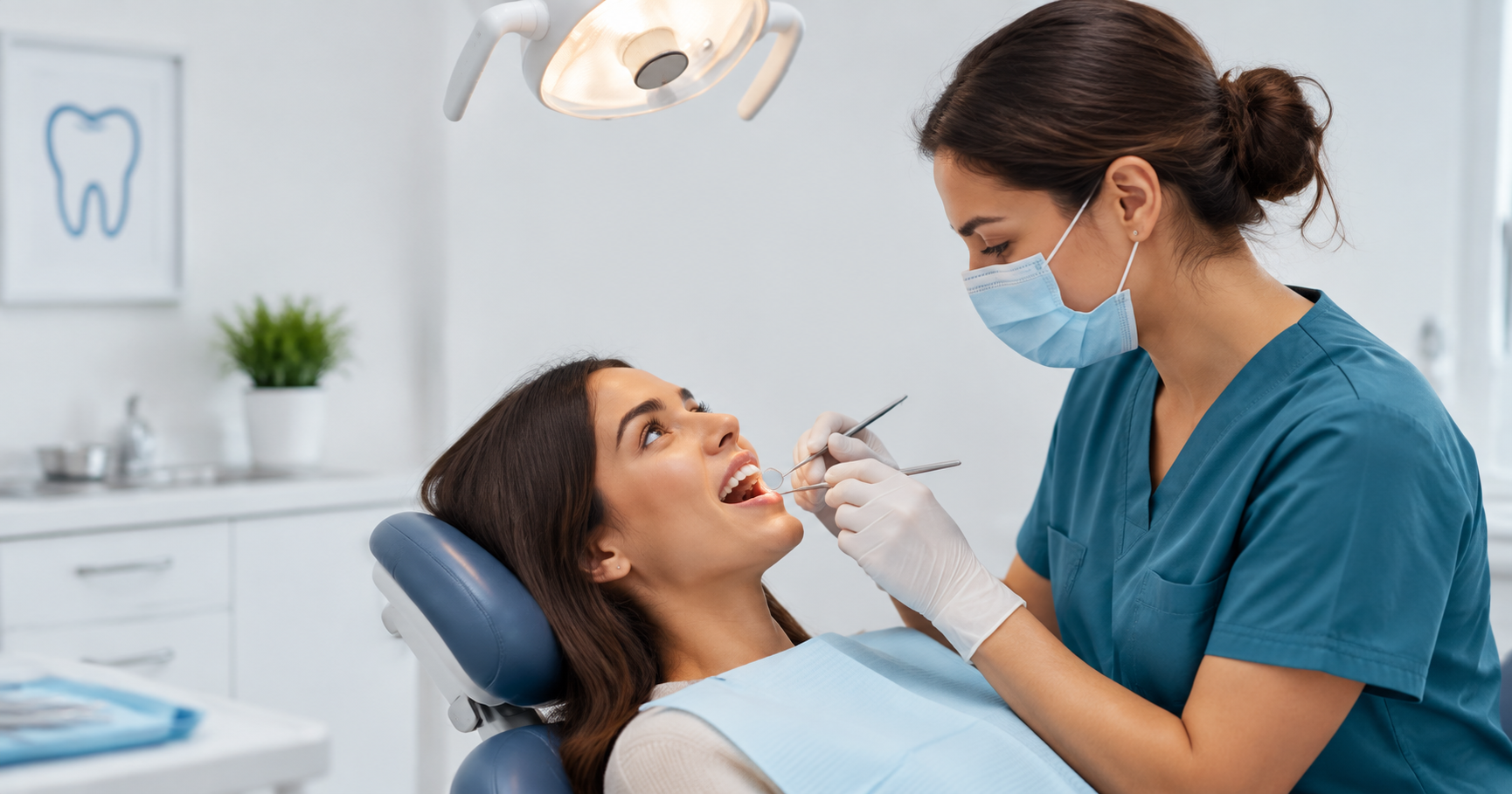
Children should become familiar with the dental office early in life. Early dental visits give the dentist an opportunity to monitor tooth development, identify potential concerns, and provide parents with guidance about oral hygiene.
Parents choosing dental care for a child may also want to consider factors such as the dentist’s experience with children, the clinic environment, preventive care, and how comfortable the child feels during appointments. Knowing how to choose the right kids dentist for your child can make the process easier for parents.
These appointments also help children become comfortable with dental care.
A child’s first experiences at the dentist can influence how they feel about dental visits in the future. Creating positive experiences early can make it easier to maintain regular dental appointments as they grow.
How Can Parents Protect Baby Teeth?
Parents can take several simple steps to help protect their child’s primary teeth.
Encourage Regular Brushing
Children should brush their teeth twice a day using fluoride toothpaste appropriate for their age. Young children may need help from a parent to ensure all tooth surfaces are cleaned properly.
Parents should supervise brushing until the child has developed the coordination and ability to brush effectively on their own.
Make Flossing Part of the Routine
When two teeth are touching, brushing alone may not clean the area between them effectively. Flossing can help remove food particles and plaque from these spaces.
Parents can assist younger children with flossing until they are able to do it properly themselves.
Limit Sugary Snacks and Drinks
Frequent exposure to sugar can increase the risk of tooth decay. Parents can help by limiting sugary snacks and drinks and offering nutritious options throughout the day.
Water is generally a good choice between meals.
Avoid Putting a Child to Bed With a Bottle
Allowing a child to sleep with a bottle containing milk, formula, juice, or another sugary liquid can increase the risk of tooth decay. If a child needs a bottle at bedtime, parents should discuss appropriate options with their dental professional.
Schedule Regular Dental Checkups
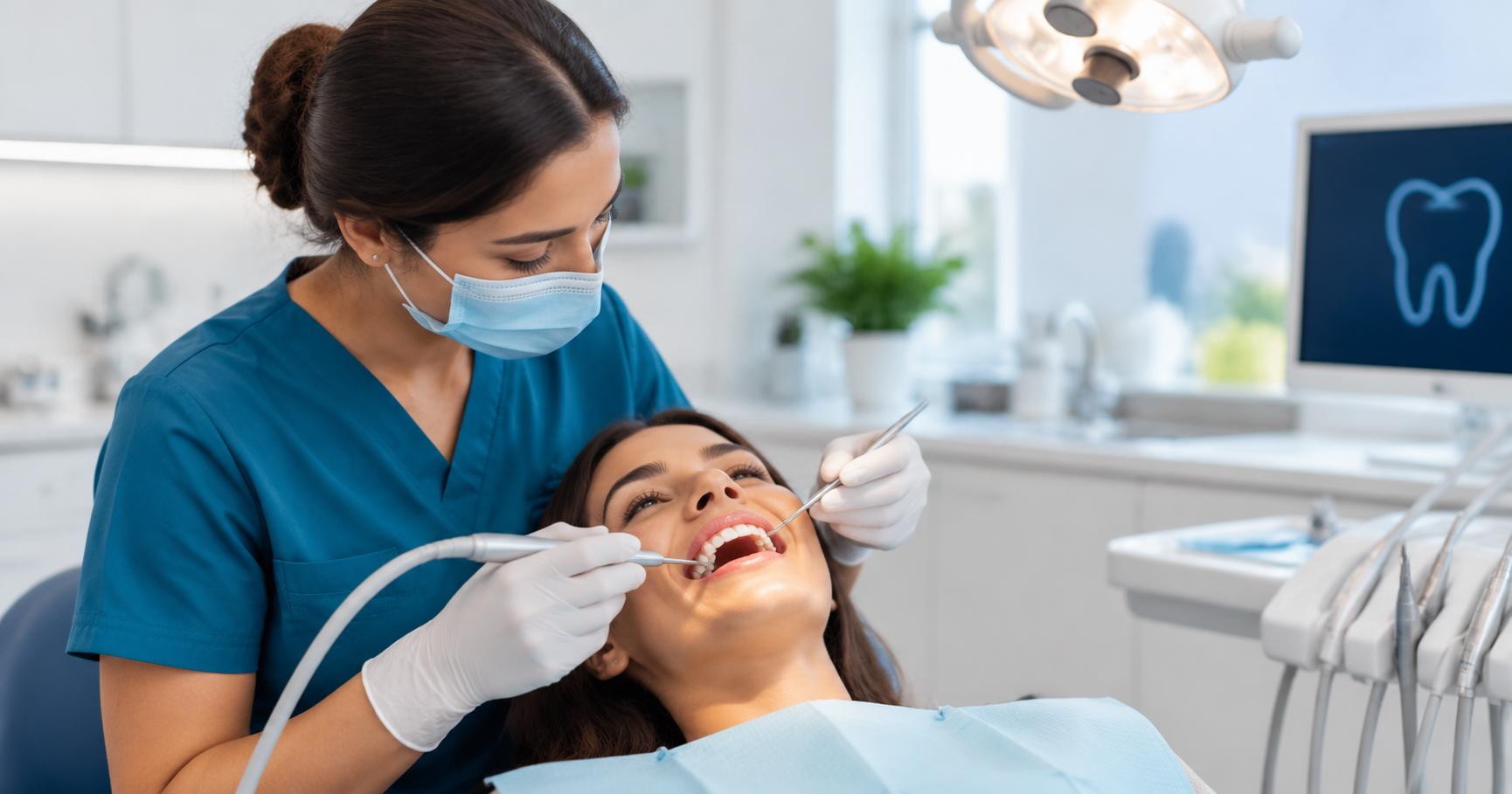
Regular dental appointments are an important part of preventive care. A dentist can monitor your child’s teeth and gums, assess development, and recommend treatment when needed.
Dental X-rays may also be recommended at certain stages of childhood to help a dentist monitor developing teeth and identify concerns that cannot be seen during a visual examination. Parents can read more about how often X-rays are needed for children’s teeth.
When Should You Take Your Child to the Dentist?
Parents should not wait until a child develops a toothache before scheduling a dental appointment. Finding a trusted kids dentist in Brampton can help your child receive regular preventive care while becoming comfortable with dental visits from an early age.
An early dental visit can establish a baseline for your child’s oral health and allow parents to ask questions about brushing, fluoride, diet, teething, and other concerns.
You should also schedule an appointment if your child experiences symptoms such as:
- Tooth pain or sensitivity
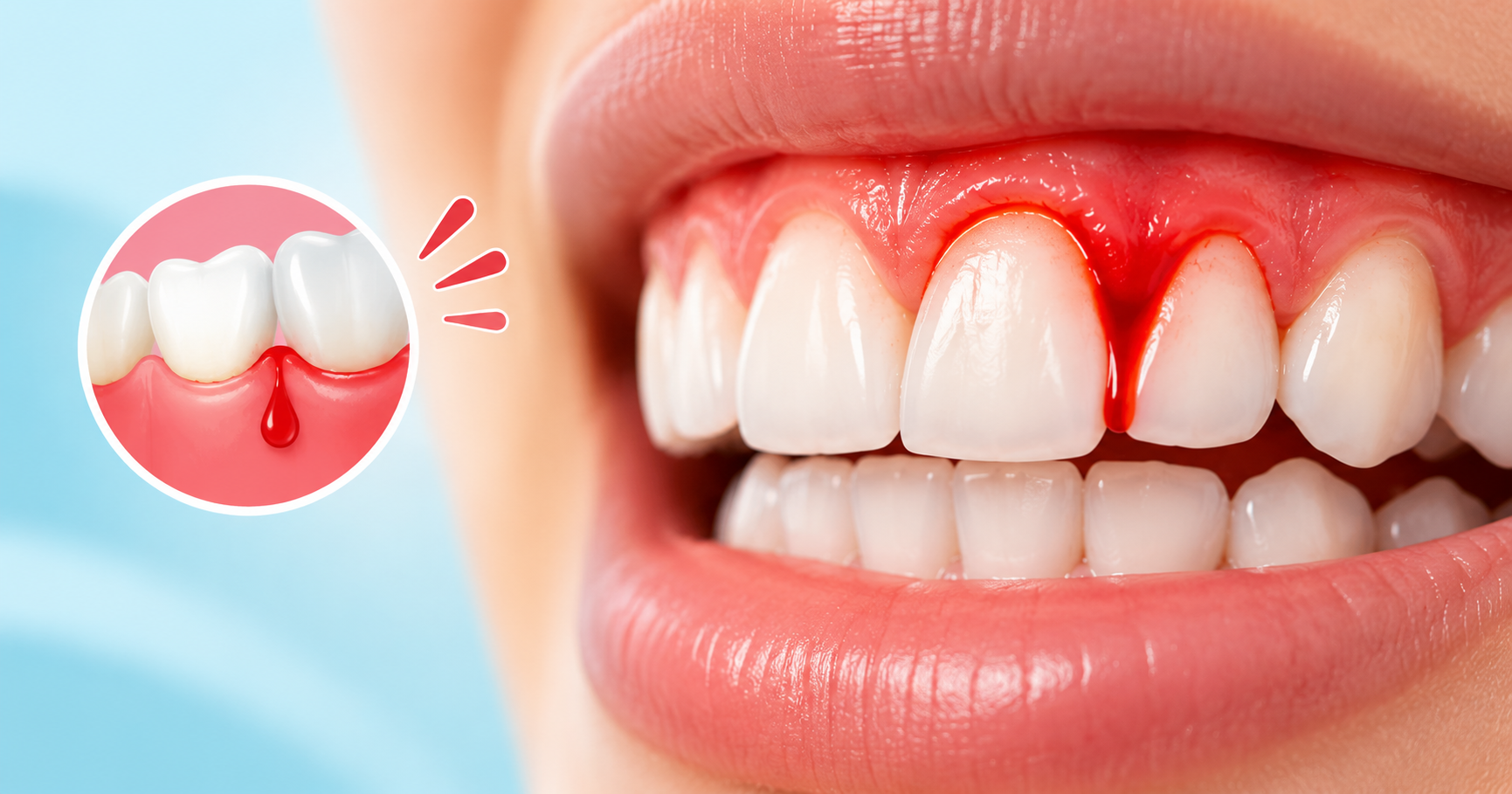
- Swollen or bleeding gums
- Visible cavities or dark spots on teeth
- Difficulty chewing
- A chipped or damaged tooth
- Facial or gum swelling
- A baby tooth that is loose or lost earlier than expected
Prompt dental attention can help prevent a minor concern from becoming a more complicated problem.
Do Baby Teeth Need Treatment If They Are About to Fall Out?
Sometimes parents assume that a decayed baby tooth does not need treatment if it will fall out soon. However, the timing of tooth loss matters.
A dentist can determine how much longer the baby tooth is expected to remain and assess the condition of the tooth. Depending on the situation, treatment may be recommended to relieve pain, control infection, or protect the surrounding teeth.
The best approach depends on the child’s age, the tooth involved, the severity of the problem, and the expected timing of natural tooth loss.
Building Healthy Habits for a Lifetime
Caring for baby teeth is not only about protecting the first set of teeth. It is also about teaching children how to care for their mouths.
When children learn to brush, floss, make healthy food choices, and visit the dentist regularly, these habits can become a normal part of everyday life.
Early preventive care can also help children understand that dental visits are a routine part of staying healthy rather than something they only need when they are experiencing pain.
Give Your Child’s Smile a Healthy Start With Dental Square
Baby teeth may eventually fall out, but they are essential to your child’s oral health, development, and comfort while they are in place. Healthy primary teeth help children eat, speak, maintain space for permanent teeth, and develop good oral health habits.
If your child has not had a dental checkup recently, now is a good time to schedule one. At Dental Square, our team provides family-friendly dental care designed to support healthy smiles at every stage of childhood.
Schedule an appointment with us today and give your child’s growing smile the care it deserves.
FAQs About Baby Teeth
Do cavities in baby teeth need to be treated?
Yes. Untreated cavities can cause tooth pain, infection, and damage to the developing permanent tooth. Treatment can also help prevent a baby tooth from being lost too early.
When should my child first visit a dentist in Brampton?
The Canadian Dental Association recommends that a child have a dental assessment within six months of the first tooth appearing or by their first birthday. Early visits help identify potential problems and give parents guidance on caring for their child’s teeth.
What happens if a baby tooth falls out too early?
Losing a baby tooth prematurely can allow nearby teeth to move into the space. This may interfere with the permanent tooth coming in properly. In some cases, a dentist may recommend a space maintainer to preserve the space.
How can I prevent cavities in my child’s baby teeth?
Help your child brush twice daily with fluoride toothpaste, clean between teeth when they touch, limit sugary snacks and drinks, and schedule regular dental checkups. Starting these habits early can help protect both baby and permanent teeth.
How often should my child visit a dentist for a checkup?
Many children benefit from dental examinations about every six months, although the recommended schedule can vary based on a child’s oral health and risk of cavities. Regular visits allow a dentist to identify and address problems early.


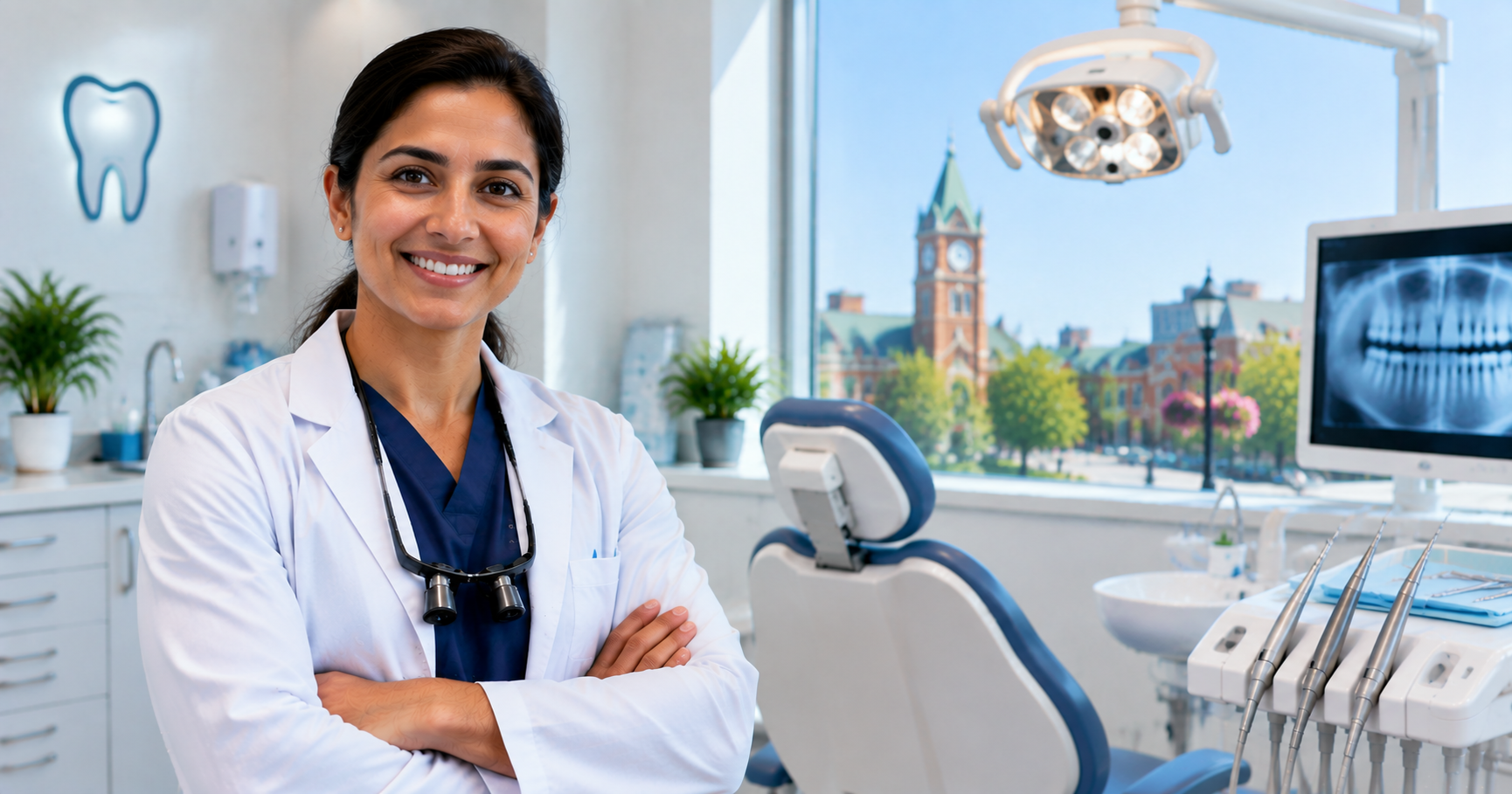

 Preventive care (cleanings, exams, X-rays)